WIEN and Energy Executives Reaffirm Commitment to Stronger DEI Push
Earlier this year, during the 2025 edition of the Sub-Saharan Africa International Petroleum Exhibition and Conference (SAIPEC), women in energy and their allies restated a collective resolve to accelerate Diversity, Equity, and Inclusion (DEI) across Africa’s energy landscape.
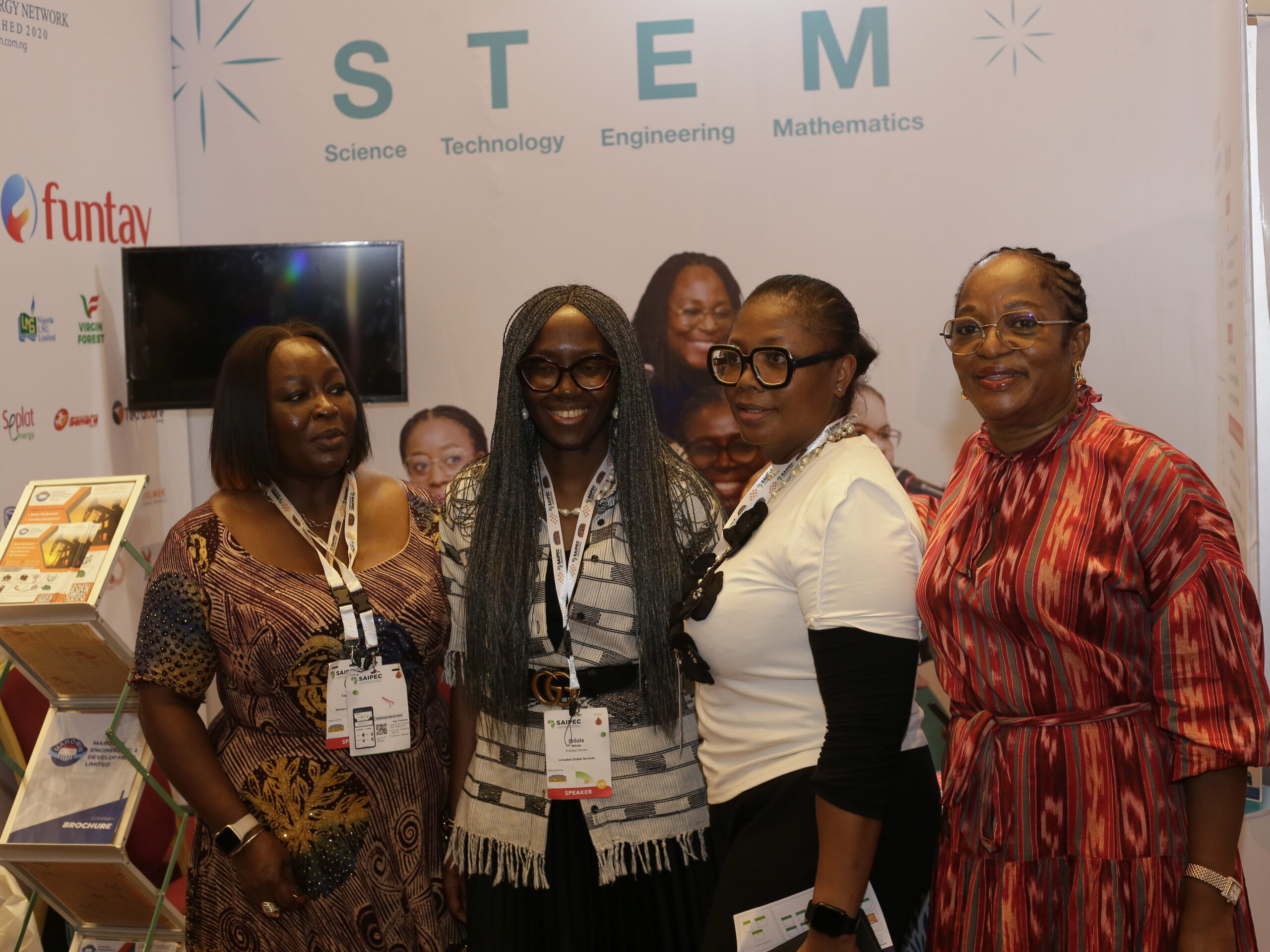
At the closing Diversity Workshop—hosted in Lagos and powered by the Women in Energy Network (WIEN)—industry leaders, corporate executives, and policymakers reiterated the urgent need to break barriers, address systemic gender gaps, and create enabling environments that support women’s full participation and leadership across the energy value chain.
The two-part session was marked by robust discussions and actionable resolutions. Delegates called for clearly defined DEI goals across government and industry, increased funding for women-owned energy ventures, and targeted scholarship and mentorship programs to support the next generation of female leaders in STEM and energy.
One of the most compelling outcomes of the workshop was the emphasis on male allyship. Participants urged industry players—especially male leaders—to step up as mentors, sponsors, and champions for equity, helping to dismantle long-standing biases and stereotypes that often hinder women’s career advancement in the sector.
While the global energy industry has made strides in gender representation, the African context remains heavily constrained by cultural, traditional, and religious norms that perpetuate male dominance in leadership. Delegates acknowledged that these disparities demand bold and sustained interventions.
WIEN Leads the Charge
As the foremost voice advocating for gender equity in Nigeria’s energy sector, WIEN led the workshop’s agenda with a clear call for industry-wide transformation.
In her keynote address—delivered on her behalf by WIEN’s Executive Secretary, Engr. Asanimo Omezi—WIEN President, Mrs. Eyono Fatai-Williams, emphasized that DEI is no longer optional but essential to the future of energy. She underscored the vital role of women engineers, executives, entrepreneurs, and policymakers in driving innovation, growth, and sustainability across the sector.
“African women are breaking barriers and redefining the energy landscape,” she noted. “From oil and gas to renewables, women-led initiatives are making a tangible impact—leading groundbreaking projects, advocating sustainable policies, mentoring young professionals, and championing clean energy in underserved communities.”
Mrs. Fatai-Williams stressed that empowering women has a direct multiplier effect: “When women thrive, communities and economies thrive. Excellence knows no gender.”
The Business Case for DEI
Backed by compelling data, Mrs. Fatai-Williams made a strong business case for DEI. Citing McKinsey & Company’s research, she noted that companies with diverse executive teams significantly outperform peers in profitability, innovation, and employee retention—metrics that are crucial for an industry facing persistent talent shortages.
Still, she acknowledged that progress remains slow.
“Women make up less than 20% of the global energy workforce, with even lower representation in technical and leadership roles,” she noted. “Despite all the proven advantages of inclusion, gaps in funding, mentorship, and access to key opportunities persist. There is more work to be done.”
She reiterated that DEI does not mean lowering standards but ensuring qualified women have equal access. “Africa’s energy transition demands diverse perspectives and inclusive policies. We must harness the full spectrum of talent available to us.”
A Call to Action
Mrs. Fatai-Williams called on the industry to take concrete, measurable steps, including:
-
Setting DEI goals and implementing gender-sensitive recruitment and procurement policies.
-
Creating funding pipelines for women-led energy ventures.
-
Scaling up mentorship and scholarship initiatives for young women in STEM.
-
Fostering inclusive networks and safe spaces for collaboration and career development.
-
Holding leadership accountable for inclusive practices and outcomes.
She also encouraged men in the sector to become vocal allies in driving change, stating, “A sustainable energy future is a shared responsibility.”
Industry Responses and Best Practices
In the panel discussion that followed, industry leaders shared company-level DEI strategies and challenges:
-
Mrs. Lilian Oluchi Somiari of TotalEnergies noted that diversity targets are embedded into the company’s recruitment processes, with accountability placed at the executive level. Women in technical roles are given early field experience, with no compromise on performance expectations.
-
Mrs. Chioma Okpoechi of Shell affirmed the company’s position as the most diverse energy firm globally. Shell aims to reach 35% female workforce representation in Nigeria by year-end, with plans to scale to 40% by 2035. DEI, she emphasized, is a global business priority.
-
Dr. Sophia Horsfall of NLNG explained how the company integrates diversity into its hiring and promotion policies. Currently, women hold 25% of executive management roles. NLNG also publishes gender-sensitive job listings and maintains DEI as a KPI for leadership evaluation.
-
Ms. Camy Tobe from The Gambia voiced concerns that African companies are lagging behind international counterparts. At the current pace, she warned, gender equity in Africa’s energy industry may take over 140 years to achieve. “When you are privileged, equity can feel like oppression,” she remarked, calling for male leaders to push DEI targets.
-
Mrs. Chinwe Iloh of AOS Orwell acknowledged that her company is still evolving its DEI roadmap. However, she cited a shallow female talent pool as a challenge to filling leadership pipelines.
Panelists agreed that while progress has been made—largely due to WIEN’s advocacy—deep gaps still exist. They committed to continuing their campaigns for equity, urging industry stakeholders to act with urgency and resolve.
The 2025 SAIPEC Diversity Workshop served as a powerful platform for reflection, learning, and commitment. As the WIEN network prepares for the next phase of advocacy, one message rings clear: inclusion is not a favor—it’s a necessity for building a stronger, more innovative, and more sustainable African energy industry.
Leave a comment: